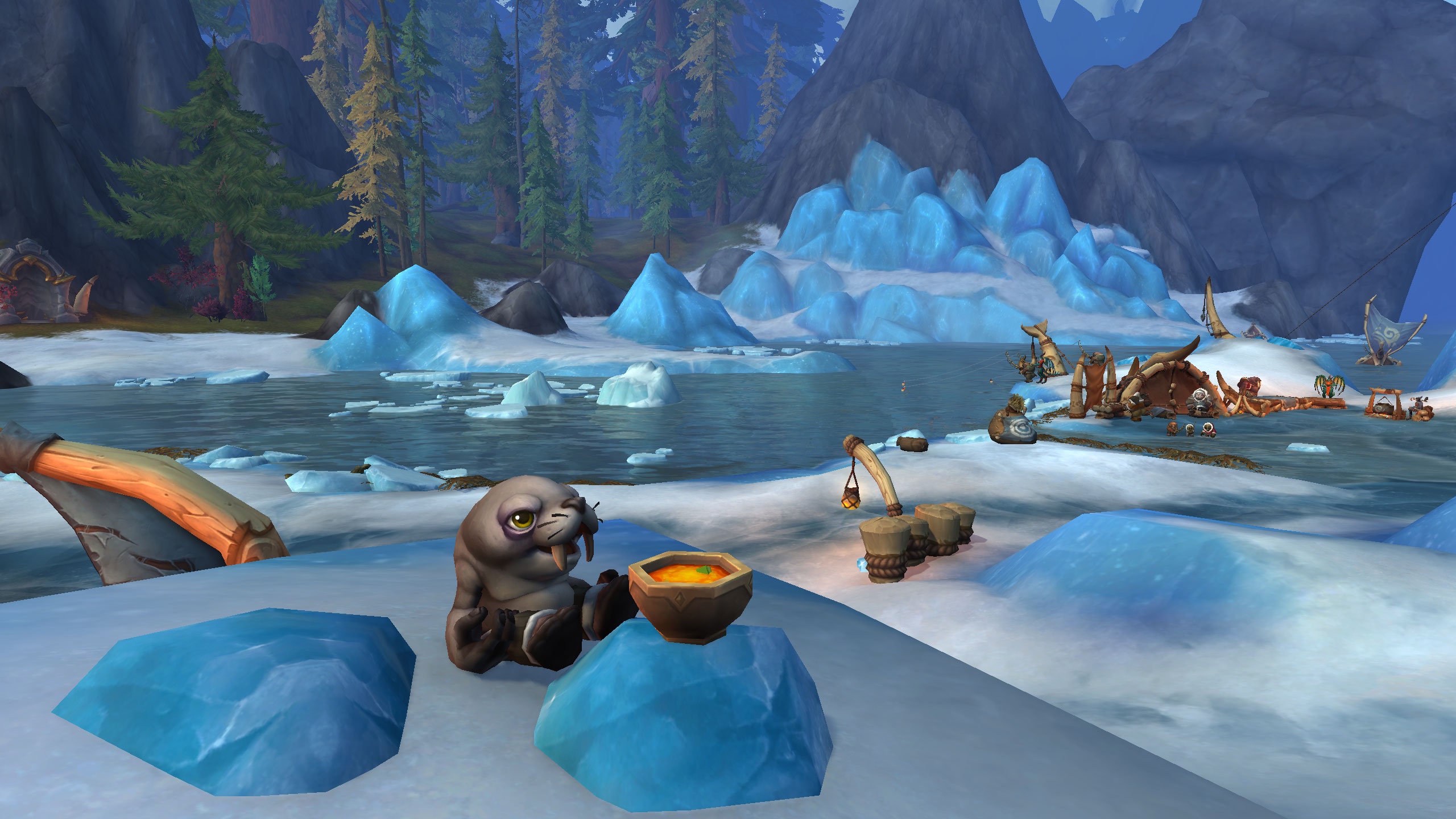
World of Warcraft (WoW) has seen massive changes since its launch in 2004, from the earliest days of vanilla gameplay to the latest expansion, Dragonflight. Over the years, WoW has evolved in terms of mechanics, storytelling, world-building, and community features. In this article, we’ll explore the evolution of WoW from its humble beginnings to the present, highlighting key changes that have shaped the game and its community.

The Early Days: Vanilla WoW
Vanilla WoW, released in 2004, marked the beginning of an era in MMORPGs. The game was groundbreaking for its time, introducing players to a vast world full of quests, dungeons, and raids. However, Vanilla was also infamous for its grinds and lack of modern conveniences.
Key Features of Vanilla WoW:
- 40-Man Raids: The early raids, like Molten Core and Onyxia’s Lair, required massive coordination and time investment.
- Slow Leveling: Players experienced long leveling times, and the journey to reach the level cap was a significant grind.
- Complex Class Roles: Classes were more rigid, and players had to work closely together to fill specific roles in dungeons and raids.
Vanilla WoW laid the foundation for what WoW would become but also highlighted the need for improvements in many areas of gameplay.
The Burning Crusade: Introducing Flying and the Outland
With the launch of The Burning Crusade in 2007, WoW introduced its first expansion, expanding the world with the shattered continent of Outland. This expansion brought significant changes, such as the introduction of flying mounts, new races (the Blood Elves and Draenei), and more intricate raid and dungeon designs.
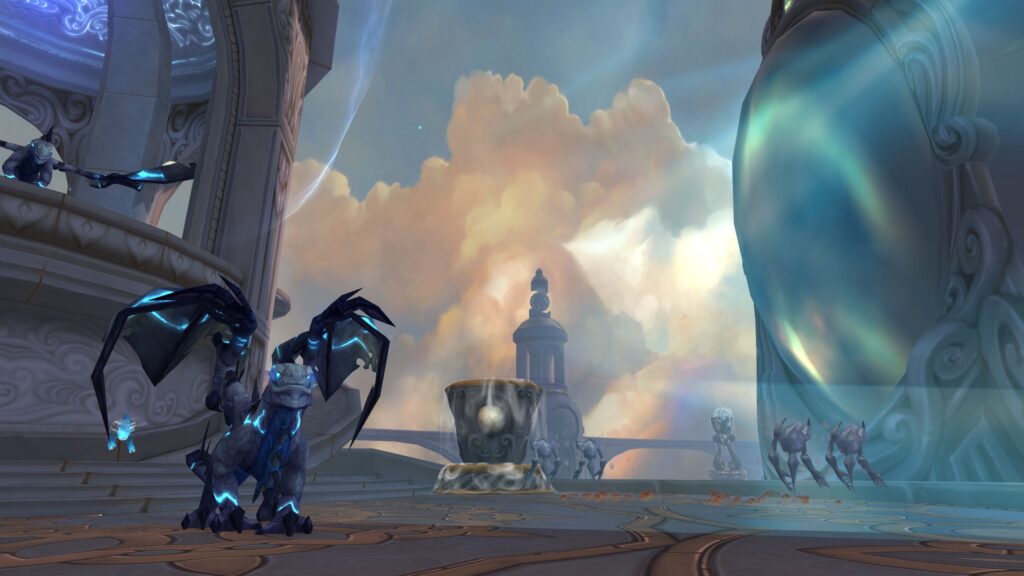
Key Features of The Burning Crusade:
- Flying Mounts: Players could now take to the skies, making exploration and travel easier across Outland.
- New Playable Races: The addition of Blood Elves and Draenei added more variety to character creation and faction dynamics.
- Advanced Raids: Raids like Karazhan became iconic, offering new challenges for experienced players.
The expansion set a precedent for new content, offering players even more ways to experience the game while expanding the lore and world-building of Azeroth.
Wrath of the Lich King: The Rise of the Lich King
Wrath of the Lich King (2008) is often considered one of the most beloved expansions in WoW history. It brought players to Northrend to face off against one of Warcraft’s most iconic villains, the Lich King. This expansion refined the game’s mechanics and storytelling, bringing a more narrative-driven experience to the forefront.
Key Features of Wrath of the Lich King:
- Hero Classes: The Death Knight was introduced as the first hero class, providing a unique and engaging experience for players.
- Improved Raid and Dungeon Design: The expansion refined raid mechanics and introduced iconic encounters, such as the battle with the Lich King himself.
- Story-Driven Content: Players became more emotionally invested in the story, with the Lich King’s rise and fall being a central theme.
Wrath of the Lich King set a high bar for storytelling and player engagement, offering some of WoW’s most memorable content.
Cataclysm: World-Shaking Events and New Content
Cataclysm (2010) was a game-changing expansion that not only introduced new content but also drastically altered the world of Azeroth itself. The return of Deathwing and the Cataclysm event reshaped the landscape, opening up new zones and content for players to explore.
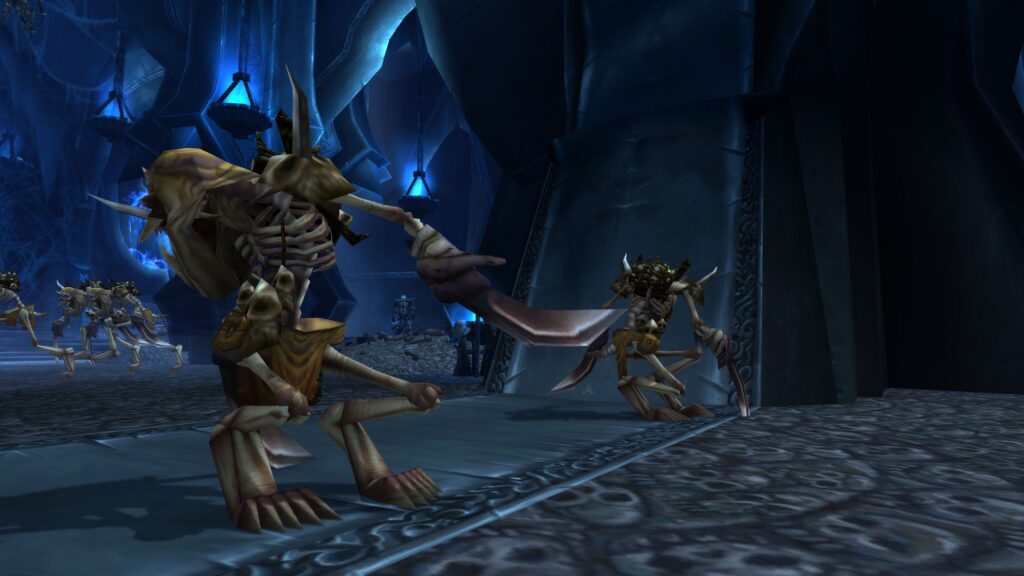
Key Features of Cataclysm:
- Dynamic World Changes: Entire zones were altered by the Cataclysm, with new areas to explore and revamped old zones.
- New Playable Races: The addition of Goblins and Worgen added more customization options for players.
- Challenging Raids and Dungeons: Raids like the Firelands and dungeons such as the Stonecore challenged players with their difficulty and mechanics.
Cataclysm marked a turning point for WoW, as it introduced a much more dynamic world where the environment itself was a part of the experience.
Dragonflight: A New Dawn
With the release of Dragonflight in 2022, WoW has continued to evolve, introducing the long-awaited Dragon Isles. This expansion brings players face to face with the mysterious Dragonflights, adding new features, races, and an overhauled talent system.
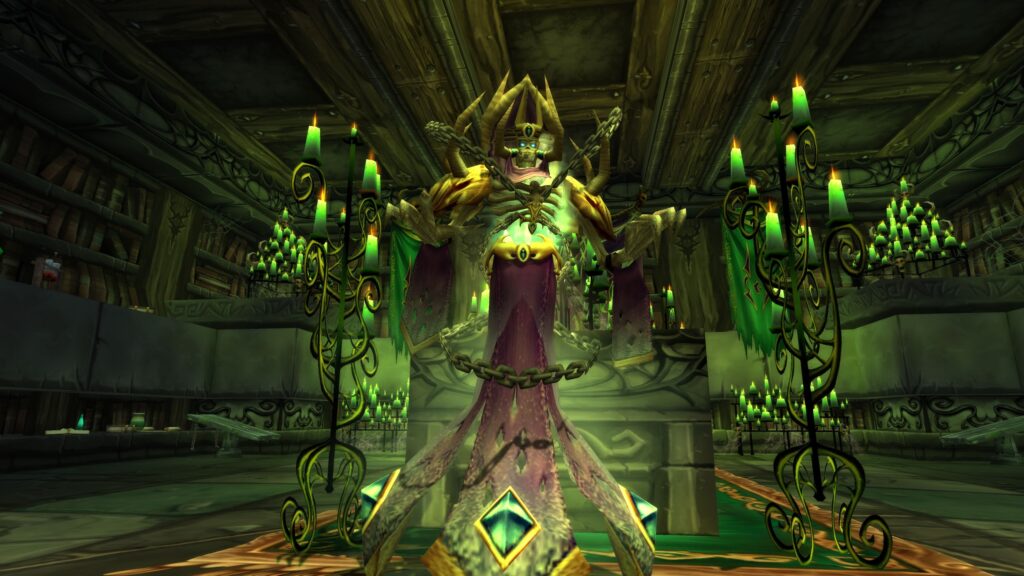
Key Features of Dragonflight:
- Dragonriding: Players can now ride dragons with unique mechanics, offering a new form of movement and exploration.
- New Talent System: The talent system was revamped to provide more customization and flexibility for all players.
- Exploring the Dragon Isles: The expansion introduces expansive new zones and a deeper connection to the lore surrounding the Dragonflights.
Dragonflight represents WoW’s continued dedication to innovation, offering fresh content while honoring the series’ long-standing legacy.
Conclusion
From its launch in 2004 to the latest expansion, Dragonflight, World of Warcraft has undergone tremendous growth and change. The game has evolved in terms of content, mechanics, and storytelling, constantly adapting to keep players engaged. Whether you’re revisiting classic content or diving into the latest expansion, WoW’s evolution ensures that there’s always something new to discover.
Home
Leave a Reply